
CASE20250701_002
Multimodality Approach in a Heavily Calcified Vessel: A Challenging Complex Case
By Hakim Irfan Showkat, SADAF ANWAR
Presenter
Hakim Irfan Showkat
Authors
Hakim Irfan Showkat1, SADAF ANWAR1
Affiliation
Srinagar MedCity Heart Institute, India1
View Study Report
CASE20250701_002
Complex PCI - Calcified Lesion
Multimodality Approach in a Heavily Calcified Vessel: A Challenging Complex Case
Hakim Irfan Showkat1, SADAF ANWAR1
Srinagar MedCity Heart Institute, India1
Clinical Information
Relevant Clinical History and Physical Exam
•74yrs old gentleman known hypertensiveand non diabetic presented withchief complaints of:
Anginaon exertion (CCSC II)-since last 6 months, which had progressed in severity (class III) from last onemonth
•Pulse:80/min, regular
•BP: 140/80mmHg
•Systemic examination: Unremarkable
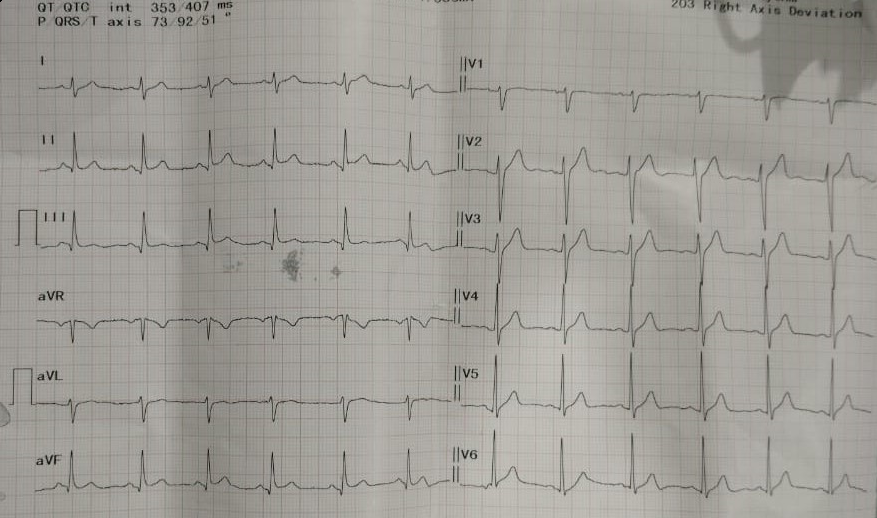
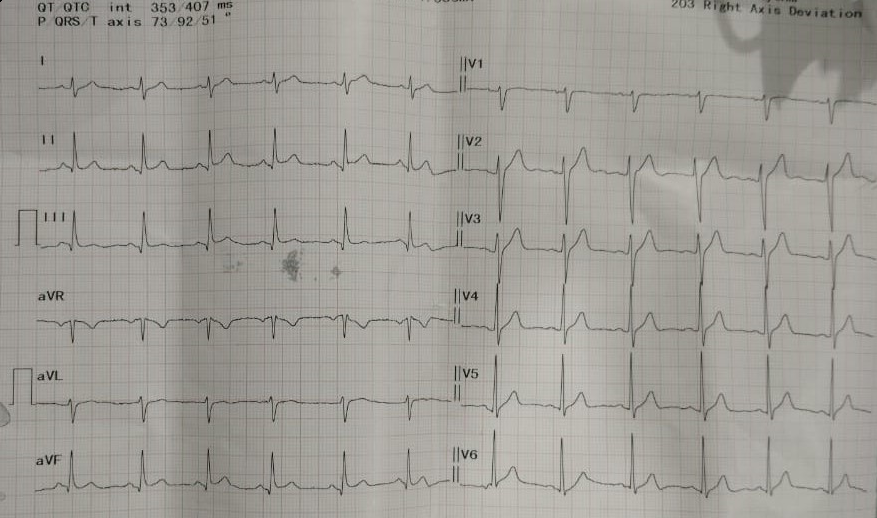
Relevant Test Results Prior to Catheterization
•ECG: Sinus Rhythm with no ST/T changes
ECHO: Mildconcentric LVH. No LV RWMA. Global LVEF=60%.
Grade I diastolic dysfunction.Normal RV function. Normal PASP.
KFT: Normal
CBC: Normal
Relevant Catheterization Findings
Interventional Management
Procedural Step
.CAG: Triple Vessel Disease with heavily calcified LAD.
Plan:
•Firstoption: CABG in view of multivessel heavily calcified disease
•Secondoption: Multivesselstaged PCI with plaque modification tools
.Patient after heart team discussion accepted for second option with
staged procedures.
.So patient was taken for PTCA to LAD with all calcium modifying
options kept available in the Cathlab.
. Temporary Pacemaker was kept for backup safety in view of TVD as a
routine in our complex procedures
 CALCIFIED LAD PTCA.pptx
Case Summary
So this case was finally completed
. Rotaablation plus shock wave lithotripsy plus PTCA to LAD followed by
staged PTCAto LCX and RCA
.Whilemanaging heavily calcified lesions keepall modalities of plaque
modification tools ready and their use at right placeis must for
satisfactory long-term results.
. Rotaablation plus shock wave lithotripsy plus PTCA to LAD followed by
staged PTCAto LCX and RCA
.Whilemanaging heavily calcified lesions keepall modalities of plaque
modification tools ready and their use at right placeis must for
satisfactory long-term results.